Industry News & Insights

Stay informed on key logistics and supply chain trends and analysis. Unlock actionable knowledge for warehouse, transportation, and operational efficiency.

Author: admin

  • Crude Oil Dips, FMCG Rises: What This Means for Logistics

    Crude Oil Dips, FMCG Rises: What This Means for Logistics

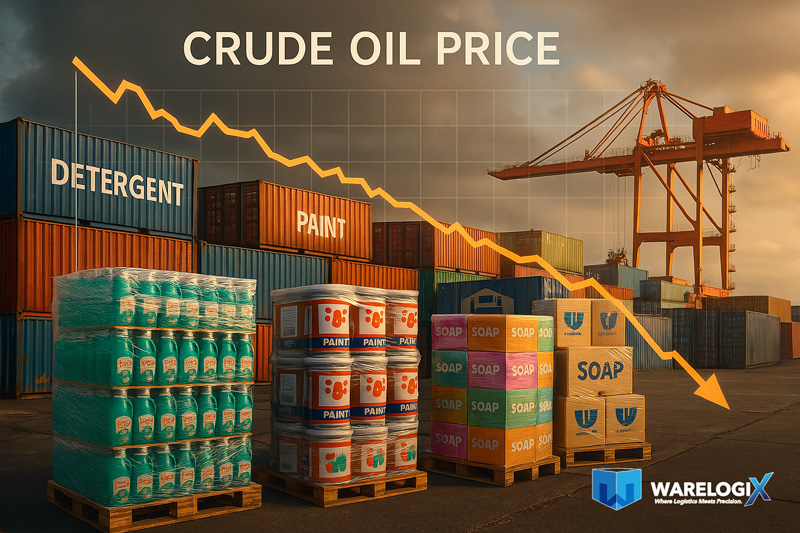
    As crude oil prices fall to their lowest since April 2021—hovering below $63 per barrel—India’s FMCG sector is gearing up for a strong rebound. According to ET BrandEquity, this price drop is expected to ease raw material costs, particularly those linked to petroleum derivatives like high-density polyethylene (HDPE) and linear alkyl benzene (LAB)—key ingredients in soaps, detergents, paints, and packaging materials.

    With raw material costs softening, companies have a chance to protect or even improve margins. This presents a valuable opportunity for manufacturers to scale operations and meet increasing demand—both domestic and international. But with scale comes the need for smart, agile, and cost-effective logistics.

    That’s where WareLogix steps in. As a trusted partner for first-mile logistics and warehousing solutions, we enable FMCG brands to respond quickly, restock confidently, and dispatch efficiently. Our strategically located facilities and reliable freight network help businesses move faster, while maintaining product quality and minimizing lead times.

    “When input costs ease, logistics becomes the competitive edge. FMCG brands that align with agile supply chain partners can seize the market faster and smarter.” — WareLogix Team

    As brands get ready to capitalize on this crude oil cooldown, partnering with a logistics provider who understands the urgency and precision of the FMCG market can make all the difference.

  • India’s Toy Industry Poised for Growth Amid Global Trade Shifts

    India’s Toy Industry Poised for Growth Amid Global Trade Shifts

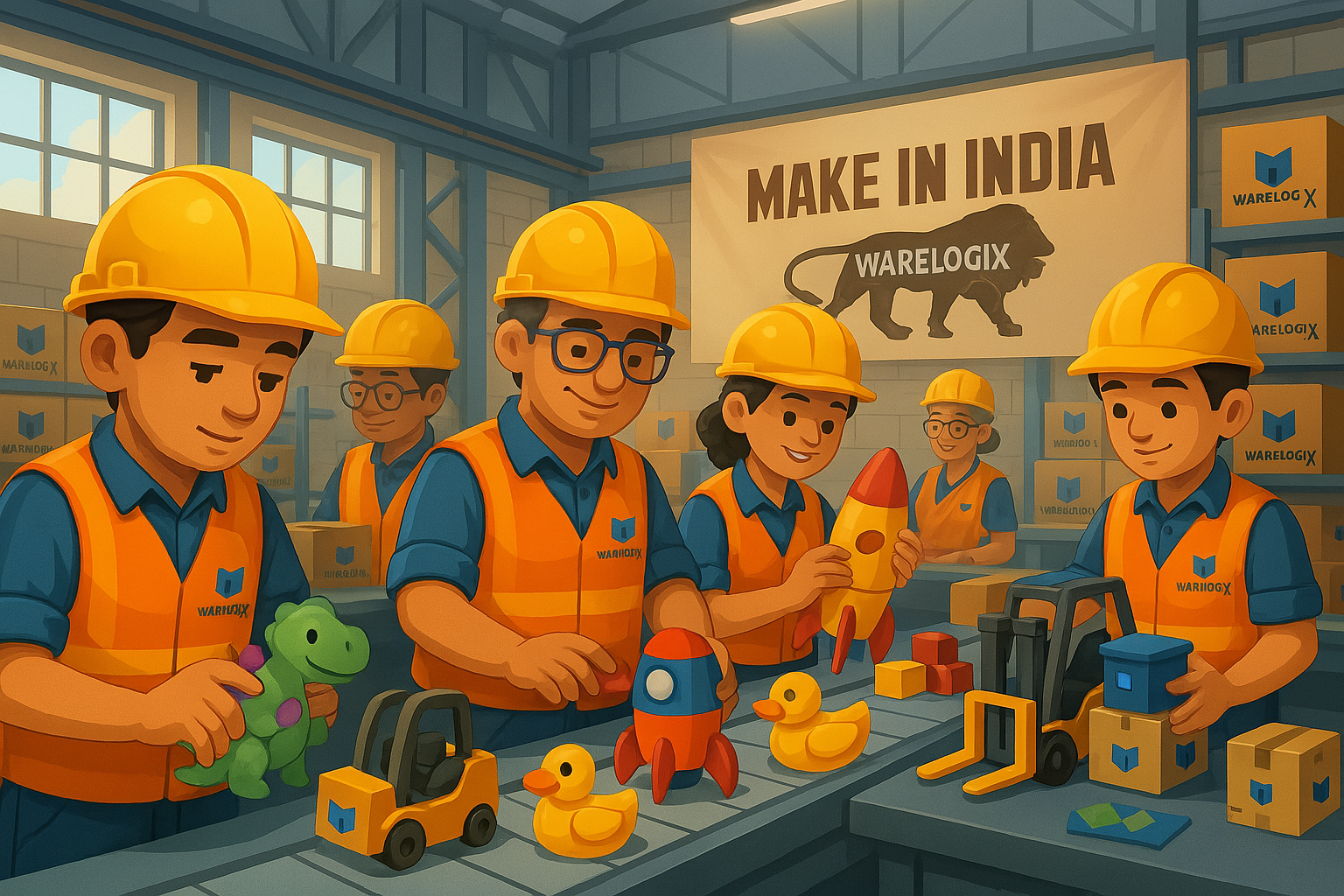
    The Indian toy industry is poised for significant growth, capitalizing on recent U.S. tariff increases on major competitors like China and Vietnam. With these countries facing higher import duties—China at 54% and Vietnam at 46%—India’s comparatively lower tariff of 26% positions it favorably in the global market.

    This shift has prompted global toy manufacturers to explore joint ventures and establish production facilities in India. States such as Madhya Pradesh, Karnataka, Odisha, Haryana, and Bihar are introducing sector-specific policies to attract investments in toy manufacturing. ETBrandEquity.com

    Government initiatives, including mandatory quality norms and increased customs duties on imports, have bolstered domestic production and reduced reliance on Chinese toys. The proposed National Action Plan for Toys is expected to further support this momentum. ETBrandEquity.com

    Manu Gupta, CEO of Playgro Toys India, emphasized the potential:

    “Huge opportunities are there for our exporters now. Vietnam’s exports are about $6 billion and China’s are $80 billion. Now their items will face higher duties in the U.S. than that of Indian toys. All big toy firms are exploring opportunities to set up plants in India.”

    As India positions itself as a global hub for toy manufacturing, efficient logistics and warehousing solutions become critical. Companies like WareLogix are essential in supporting this growth, offering streamlined supply chain services that ensure timely and cost-effective delivery of products to international markets.​ETBrandEquity.com

    In conclusion, the evolving global trade dynamics present a unique opportunity for India’s toy industry. With strategic investments and robust logistics support, India is set to emerge as a key player in the global toy market.

  • Unlocking Efficiency: The Future of Warehouse Operations Starts Here

    Unlocking Efficiency: The Future of Warehouse Operations Starts Here

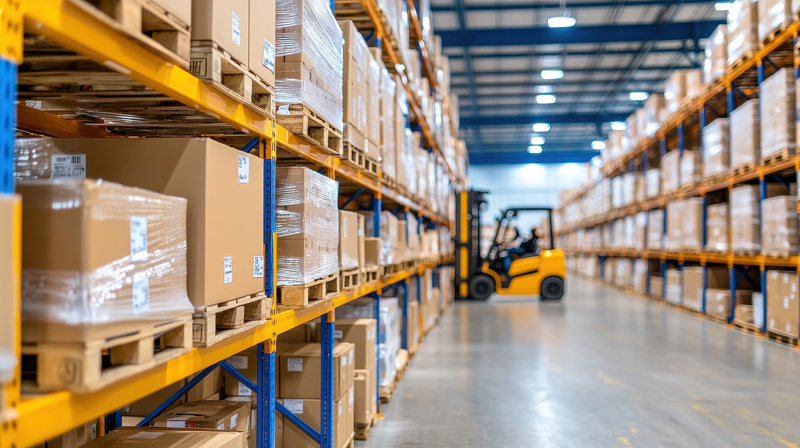
    Behind every click-to-cart purchase lies a complex web of warehouse activity. Today’s warehouses aren’t just storage units—they’re strategic hubs that shape the speed, sustainability, and success of e-commerce businesses.

    At WareLogix, we know how powerful streamlined first-mile logistics and smart warehousing can be for growing brands. Let’s explore how modern trends are transforming operations—and what your business can learn from them.


    What’s Changing in Warehousing?

    • Automation is no longer optional. Robotics and guided vehicles are speeding up operations and cutting errors.
    • Data analytics give real-time insight into inventory, performance, and resource usage.
    • AI-powered forecasting helps anticipate demand and optimize space.
    • IoT sensors monitor everything from temperature to equipment performance.
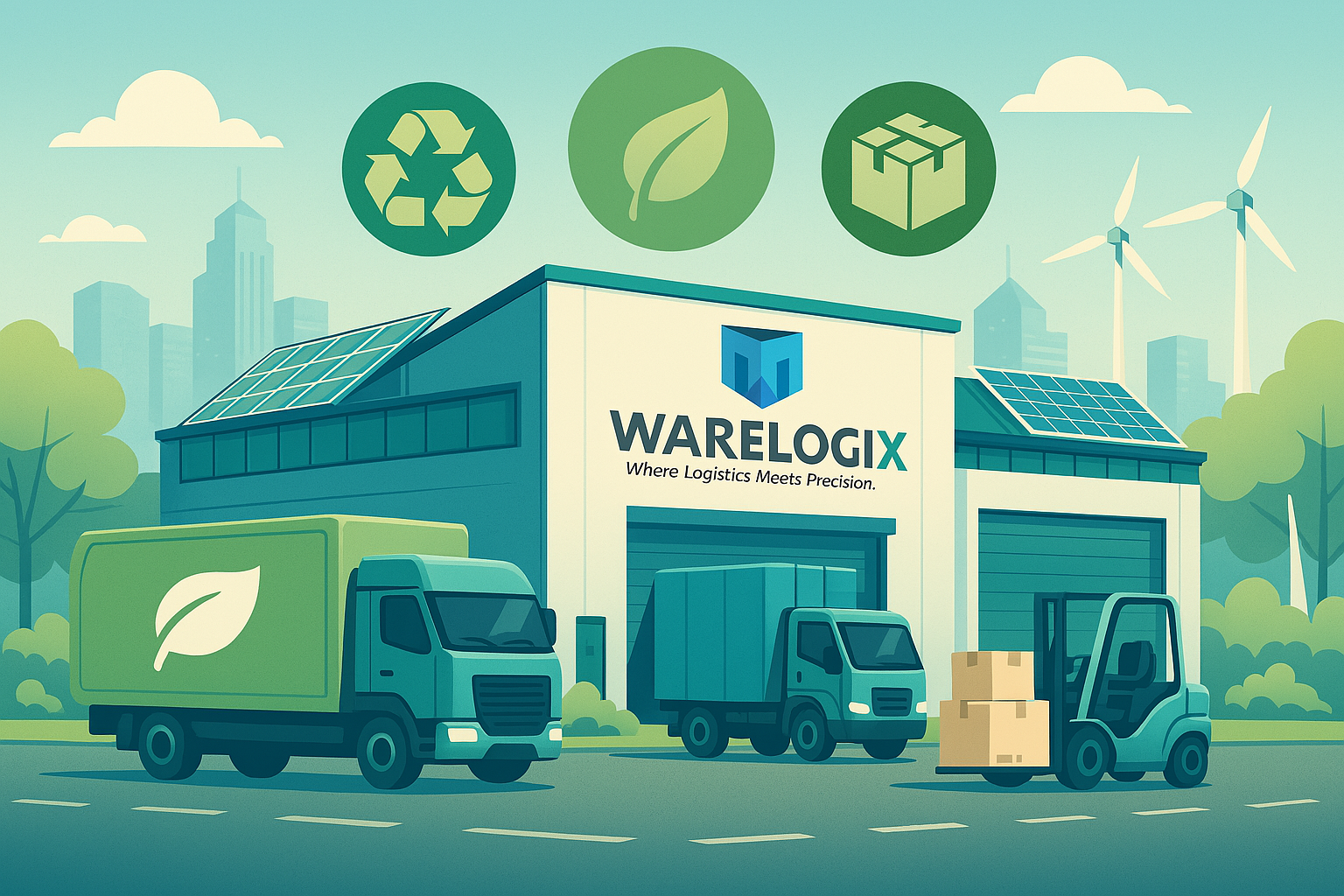
    • Sustainability is at the forefront—green warehouses, eco-packaging, and smarter routing are on the rise.
    • Human + Machine collaboration is key, with cobots supporting safety and lifting tasks.

    From Trend to Transformation: Real-World Tactics

    To make the most of your warehouse:

    • Conduct regular performance audits
    • Implement lean workflows like zone or wave picking
    • Use space and stock wisely with real-time inventory control
    • Train and empower your team
    • Stay flexible and ready to adapt


    How WareLogix Can Help

    Whether you’re a startup or scaling enterprise, WareLogix offers dependable first-mile logistics and warehouse operations that grow with you. With facilities in Mumbai and Delhi, we serve D2C brands, SMEs, and large businesses with precision and care.


    Let’s Talk! 💬

    • What’s one innovation you think will shape the next-gen warehouse?
    • Have you adopted a sustainable practice that improved both cost and efficiency?

    👇 Share your thoughts in the comments—we’d love to hear from you!

    WarehouseOperations #FirstMileLogistics #EcommerceFulfillment #SupplyChainManagement #WarehousingIndia #LogisticsPartner #SMELogistics #WareLogix #InventoryManagement #SustainableLogistics

  • Unlock Seamless Operations: Is Your Warehouse and Transportation Working in Harmony?

    Unlock Seamless Operations: Is Your Warehouse and Transportation Working in Harmony?

    Warehouse Management, Transportation Management

    The key to unlocking true supply chain excellence lies not just in individual brilliance, but in the harmonious orchestration of every moving part.” – The Warelogix Team

    Welcome to the official Warelogix blog! We’re thrilled to embark on this journey of sharing insights, trends, and best practices in the world of warehouse management, transportation logistics, and overall supply chain optimization.

    As a provider of cutting-edge Warehouse Management Systems (WMS) and Transportation Management Systems (TMS), we at Warelogix understand the critical role these two pillars play in the success of any business that handles goods. But have you ever stopped to consider just how harmoniously your warehouse and transportation operations are working together?

    Think about it: Your Warehouse Management System (WMS) is the nerve center of your inventory. It meticulously tracks goods as they arrive, are stored, picked, and packed. It optimizes your warehouse layout, streamlines workflows, and provides real-time visibility into your stock levels.

    On the other hand, your Transportation Management System (TMS) takes over once those goods leave the warehouse. It plans the most efficient routes, manages carriers, tracks shipments in transit, and helps control transportation costs.

    The Question is: Are These Two Vital Functions Speaking the Same Language?

    In many organizations, WMS and TMS operate as siloed entities. Data might be manually transferred, leading to delays, errors, and a lack of real-time synchronization. This disconnect can result in:

    • Inefficient Planning: Difficulty in coordinating outbound shipments with available transportation capacity.
    • Increased Costs: Suboptimal routing, delays leading to expedited shipping, and potential detention charges.
    • Reduced Visibility: Lack of a holistic view of inventory from the moment it enters the warehouse until it reaches the customer.
    • Missed Opportunities: Inability to leverage real-time data to make proactive decisions and optimize the entire supply chain.

    At Warelogix, we believe that true Supply Chain Optimization is achieved when your WMS and TMS work in perfect synergy. When these systems are integrated, you gain a powerful, end-to-end view of your operations. Imagine:

    • Your WMS automatically providing accurate shipment details to your TMS as soon as an order is packed.
    • Your TMS updating the WMS with real-time delivery status, allowing for proactive inventory adjustments and customer communication.
    • Data-driven insights across both warehouse and transportation, enabling you to identify bottlenecks and areas for improvement in your logistics efficiency.

    We’re curious to hear about your experiences!

    • How well do you feel your warehouse and transportation operations are currently integrated?
    • What are some of the biggest challenges you face in coordinating these two critical areas?
    • What technologies or strategies have you found effective in bridging the gap?

    Share your thoughts and insights in the comments below! We believe that by learning from each other’s experiences, we can collectively unlock more seamless operations and achieve new levels of digital transformation within our technology in logistics landscape.

    Stay tuned for our upcoming blog posts where we’ll delve deeper into specific strategies and technologies for achieving WMS and TMS integration and maximizing your warehouse operations and transportation planning!